












Health and wellness practices have grown in popularity recently, partly due to their widespread dissemination on social media apps like TikTok and Instagram.
Because of their prominence on these platforms, influencers have successfully built entire careers around sharing advice and information about nutrition and exercise online.
Senior Brady Clifford believes that following health and wellness content has led him to make changes in his own lifestyle.
“I watch what I eat more. I try to eat cleaner, make a lot of my own meals instead of eating out, and try to stay active everyday,” Brady said.
While still considering herself a clean eater like Brady, senior Meena Abtahi’s diet was not a result of social media.
“I think I really care a lot about how I look and also longevity,” Meena said. “I want to be there and healthy for my kids and my grandkids. I care a lot about my image and I know that clean eating is the key to looking fit and being there in the future.”
Recently, however, health content has received criticism from viewers and medical professionals alike.
An article published by the National Institute of Health stated that content surrounding dieting, exercise, and overall health was often misinformed and at times dangerous.
They blamed this on the fact that most creators prioritize views and engagement rather than accuracy within their videos.
School Counselor Kim Valentine agreed with this, pointing out that some of the items that influencers swear by are simply brand deals.
“Their job is to make content and promote all of these things. Sometimes they’re promoting products that they’re being paid to [use],” Valentine said.
Social science instructor Kevin Guay added that certain products or specific diets are commonly overemphasized and promise more to the consumer than what is actually possible.
“A common misconception I see is the proclamation that certain foods or trendy diets can magically transform your body. Students sometimes think a single ‘superfood’ or diet will do the work for them,” Guay said. “The reality is much more complicated, of course, and most students understand this.”
Valentine went on to say that the danger from health content lies more in the intensity of the lifestyles that these creators are demonstrating.
“If you’re a student you also have to go to school and do homework and maybe you have a job, you don’t necessarily have the time to commit to these things in the way that somebody whose job is to do those things,” Valentine said. “Anything that we’re doing to an extreme has the potential to be harmful, even if it is healthy eating or physical fitness.”
Guay agreed with Valentine that, if taken too far, a health-focused mindset and lifestyle can be dangerous.
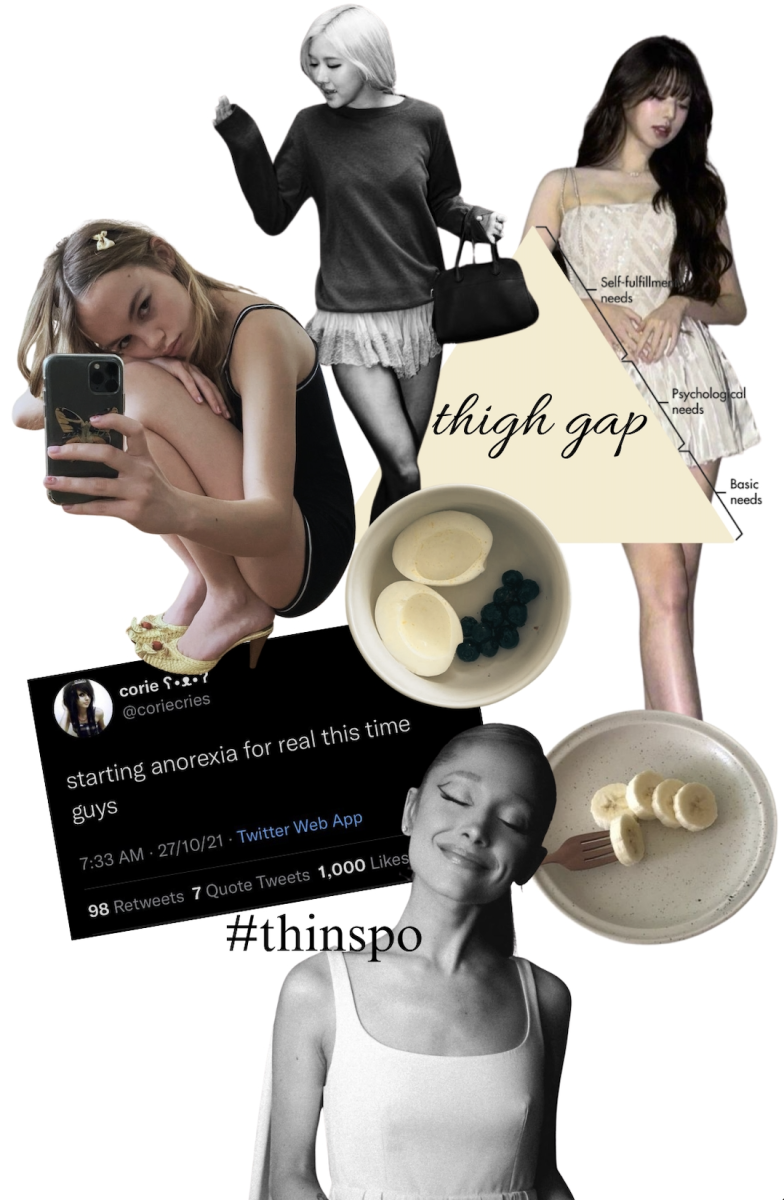
“On the one hand, [health influencers] make fitness and nutrition approachable and fun,” Guay said. “On the other hand, a lot of content can be simply misleading or focused on trends. Heck, some information can be downright harmful or deadly.”
According to Valentine certain diet or exercise fads can be too extreme, being conscious of health is always a good idea.
“I am all for anything that promotes health and wellness,” Valentine said. “Getting people to pause and think ‘What am I putting into my body? How much sleep am I getting? Am I moving?’ Any time that we can encourage anybody to think about those things, that just increases longevity and wellness.”