


















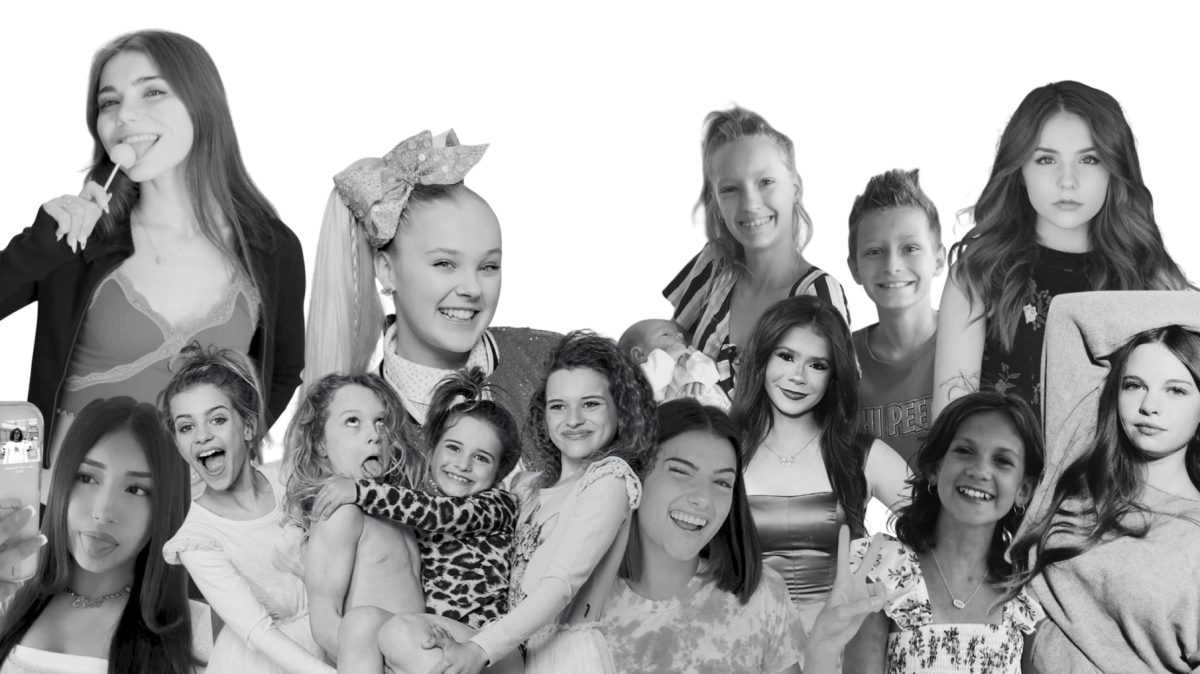



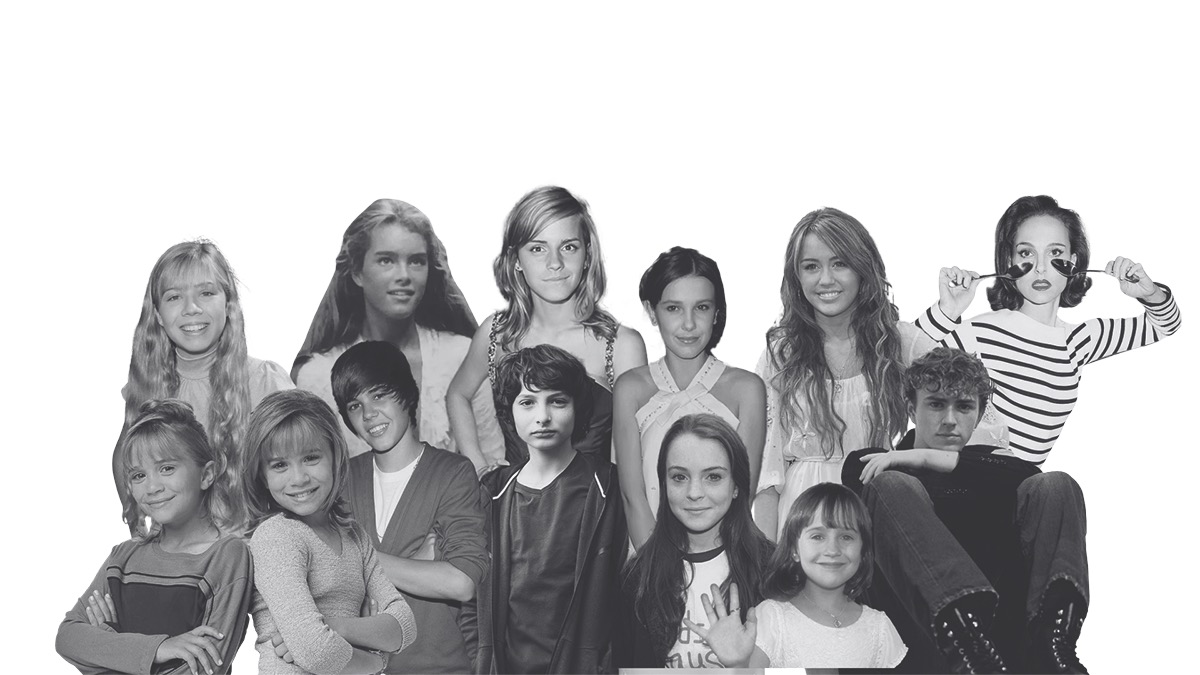
In 2017, at age 13, star of TV show Stranger Things and child actor Millie Bobby Brown appeared in a W Magazine spread titled “Why TV Is Sexier Than Ever,” revealing how the media portrays minors in adult contexts.
The sexualization of child actors is characterized as projecting the idea of adult sexuality onto a child.
Although the press plays a role in the sexualization of young actors, the film and television industry itself bears significant responsibility for perpetuating this problem.
In her 2022 memoir, I’m Glad My Mom Died, former Nickelodeon actor Jennette McCurdy details her experience in the TV industry, writing, “I feel like I’m barely hanging on to my childlike body and the innocence that comes with it. I’m terrified of being looked at like a sexual being. It’s disgusting. I’m not that. I’m this. I’m a child.”
Furthermore, while some of the most infamous
examples of this problem are female
child child actors, this problem is not limited to women.
The actor Finn Wolfhard was a victim of overt sexualization as a child, starting from the time he was around 14 years old, and continuing even now.
Even other celebrities participated in this atrocity, with the renowned pop singer Gracie Abrams, who posted an Instagram story commenting “sticky situation, knowing he’s 14 but still incredibly down,” although she later apologized for the statement.
In the four-part docuseries “Quiet on Set: The Dark Side of Kids TV,” director Emma Schwartz and Mary Robertson reveal the toxic culture behind some of the most beloved shows from the ’90s and 2000s, especially those produced by Nickelodeon.
Regarding said allegations Robertson said, “When we were first looking at those clips…you see young teens in situations that are arguably sexual in
nature, arguably evocative
of pornography. We also saw questions swirling on social media platforms from many adults who were once children watching these shows… And if this arguably sexual content had been created on these sets, who said yes to the creation of this material?”
Nickelodeon later came out to say that their “highest priorities are the well-being and best interests not just of [their] employees, casts and crew, but of all children, and [they] have adopted numerous safeguards over the years to help ensure [they] are living up to [their] own high standards and the expectations of [their] audience.”
However, when numerous child actors come out to share their traumatic experiences, it is clear these industries are still not doing enough to protect child actors.
Though it’s clear the root cause of sexualization of child actors is the media and industries, societal awareness is crucial to start addressing how this issue is exacerbated by
audiences.