
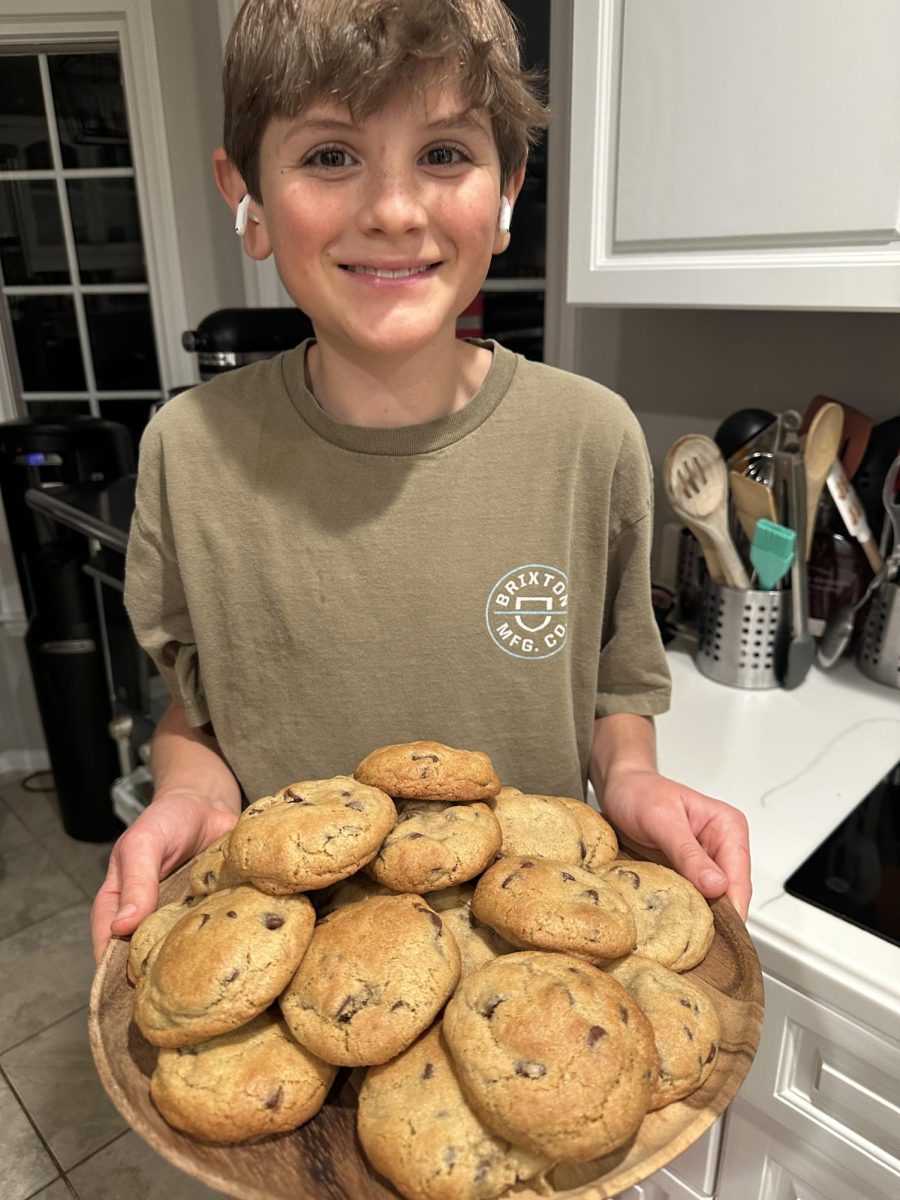

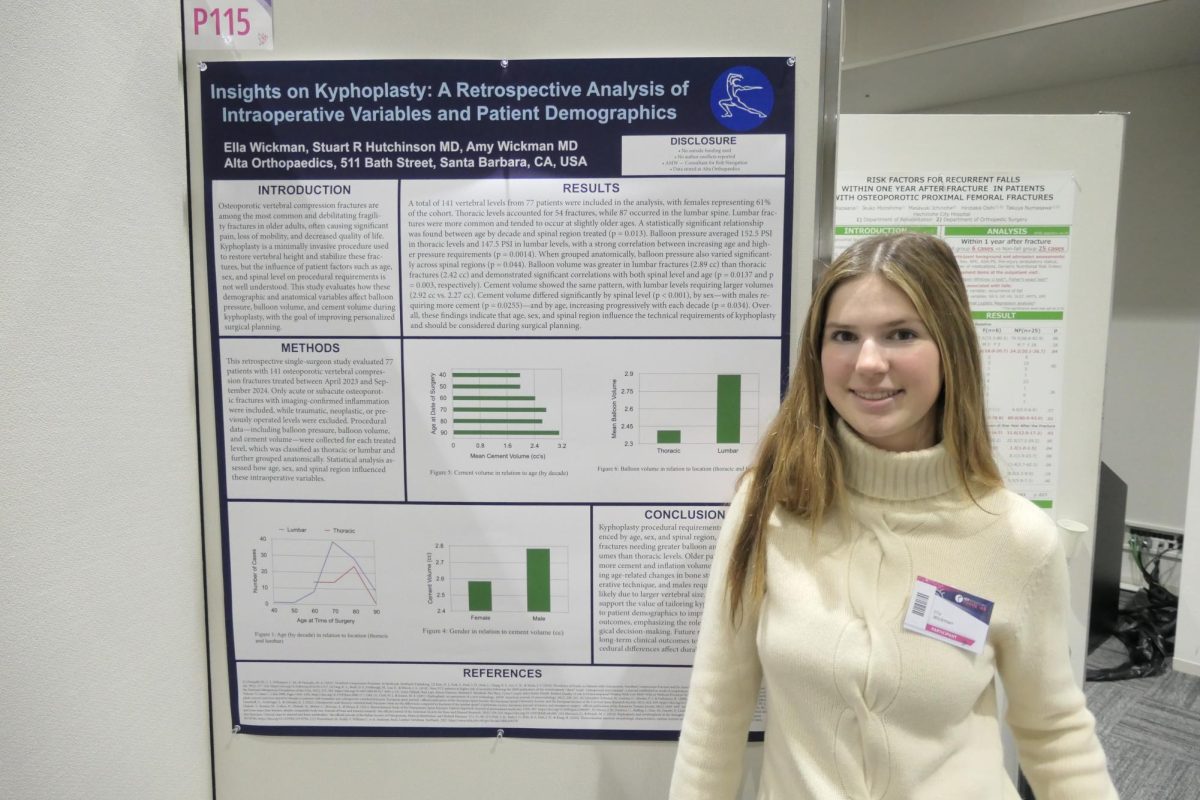
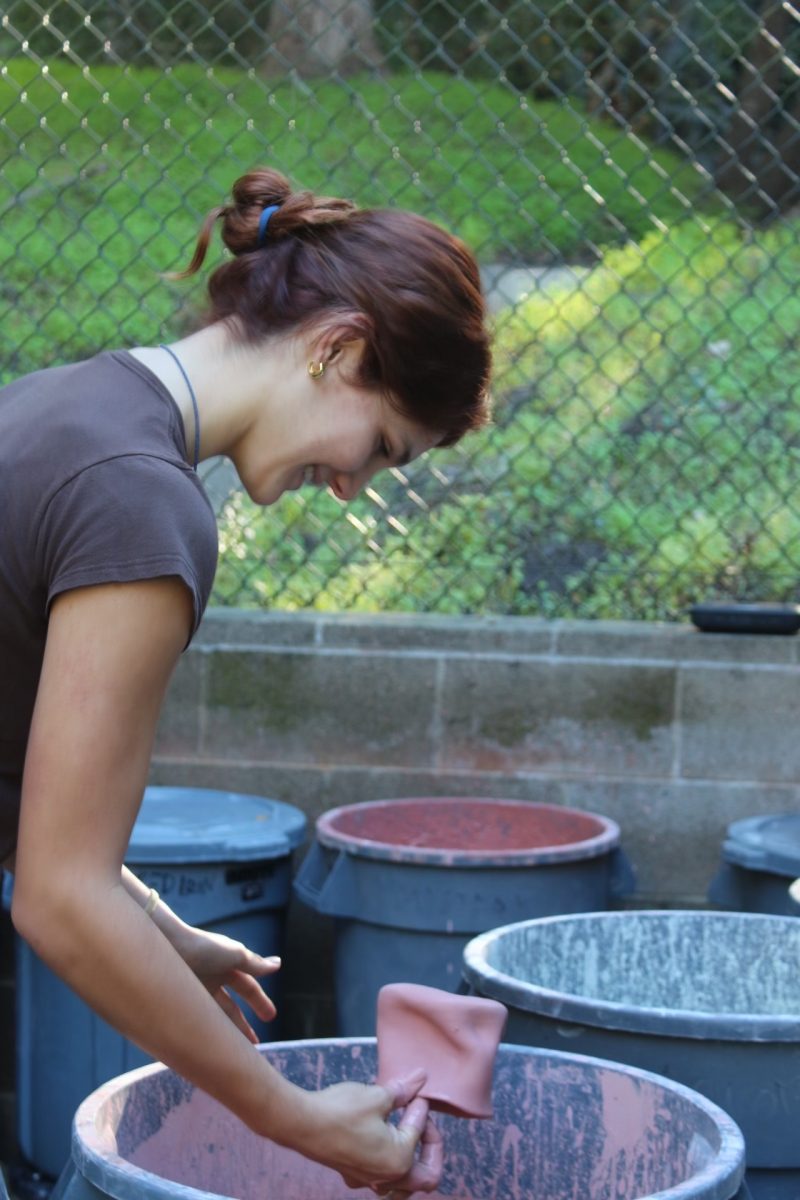
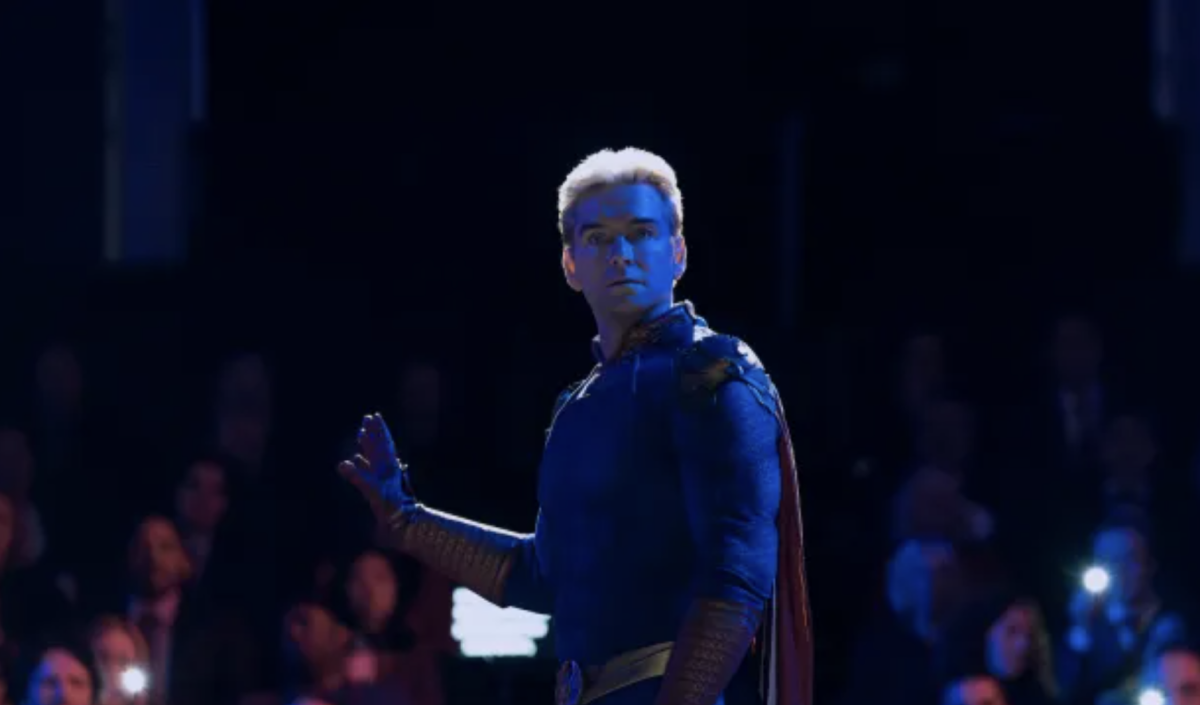


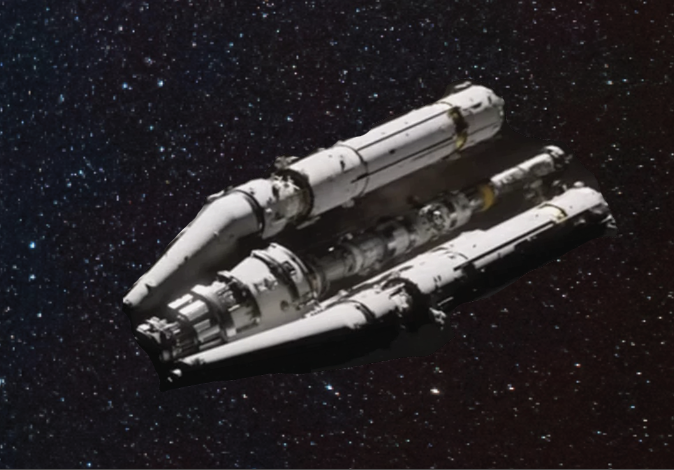

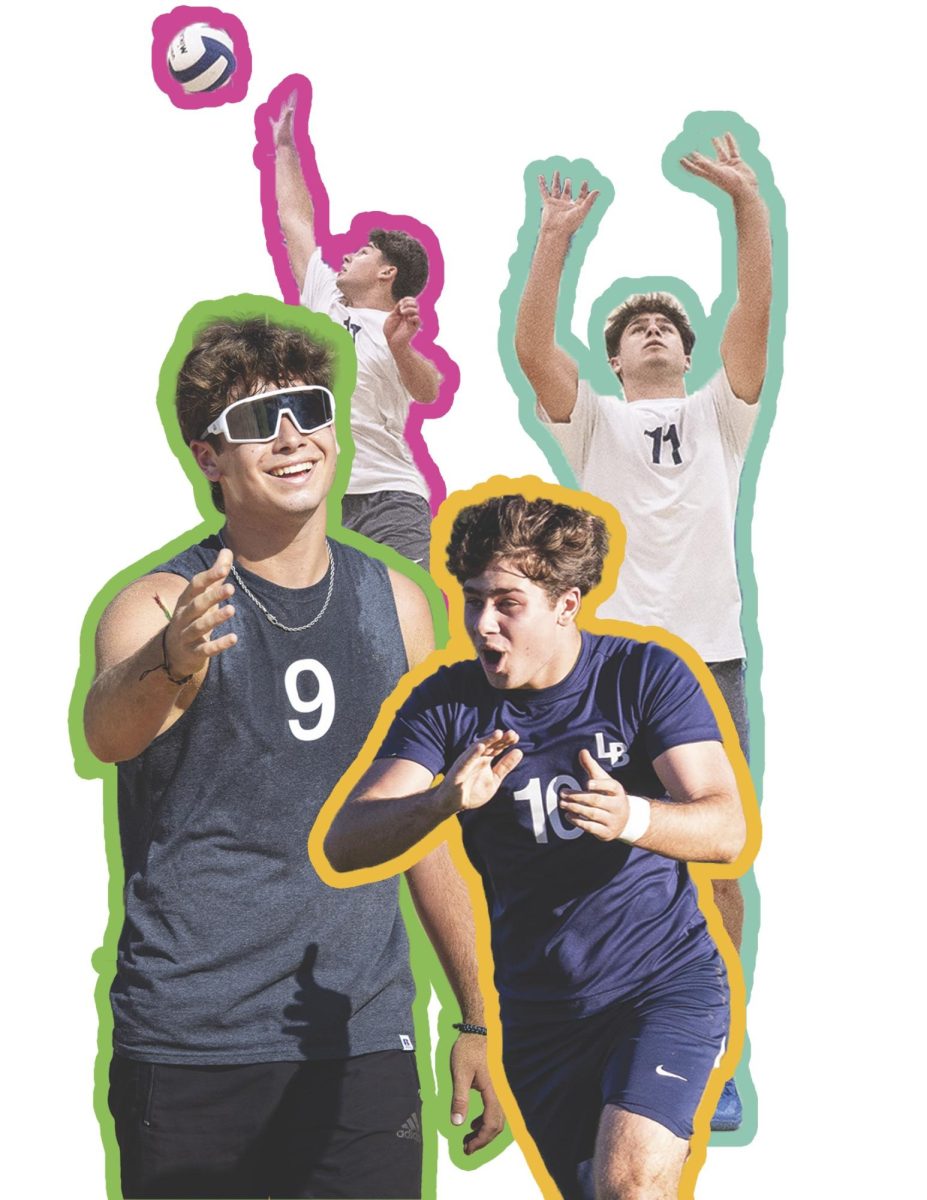

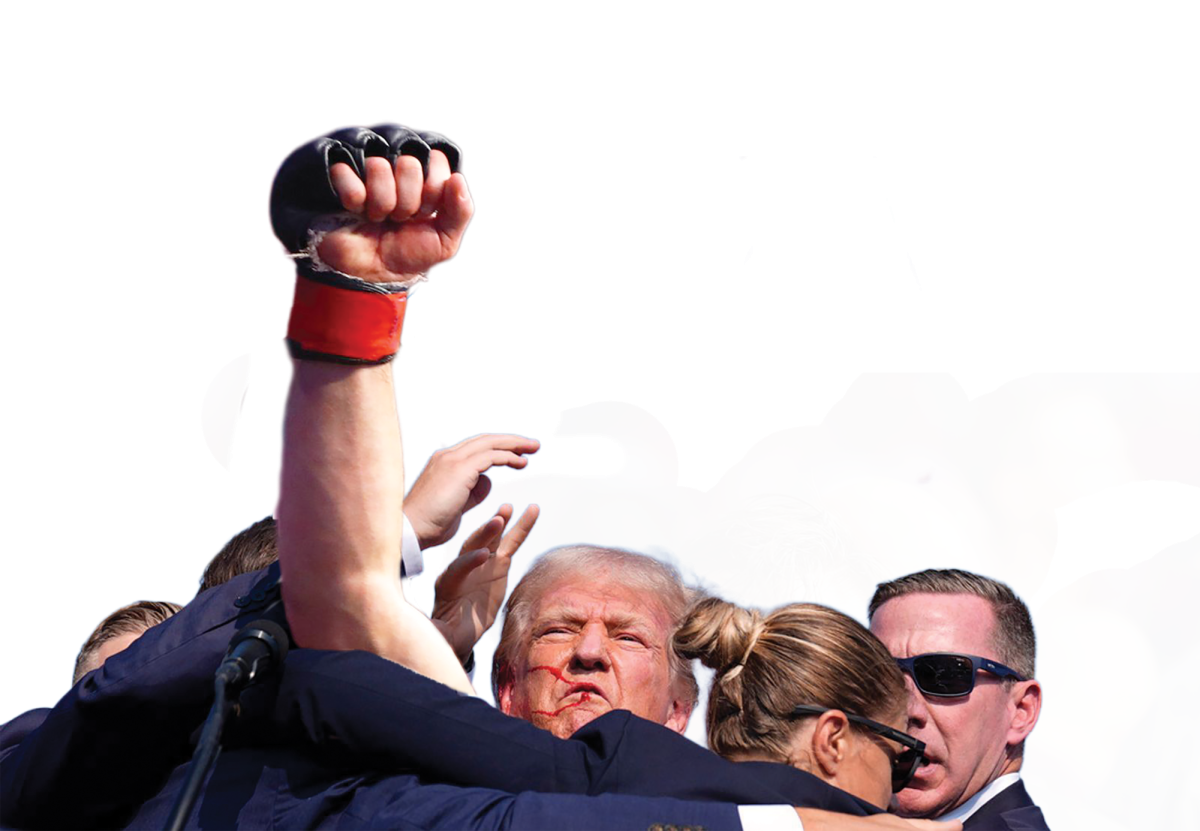

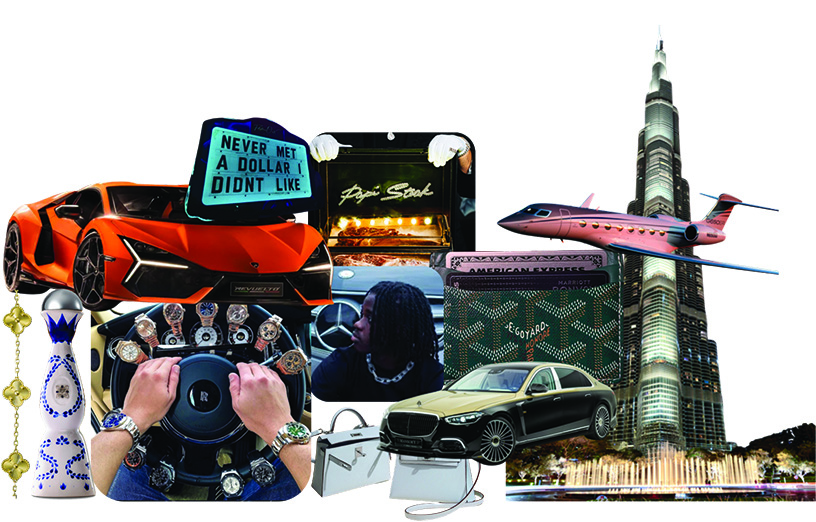



Artificial intelligence has transformed the internet’s images, producing photos and videos that are increasingly indistinguishable from reality. As generative models like Sora and Midjourney become increasingly sophisticated, concerns about misinformation and reputational harm persist. Detecting AI-generated media is now an essential skill for students, shoppers, and anyone navigating digital spaces. While no single method is foolproof, a combination of visual analysis, contextual awareness, and technological tools can help people determine whether a piece of media is real or artificially created.
The most accessible way to identify AI-generated images is by examining visual inconsistencies. Even the most advanced generative models occasionally produce subtle distortions. Hands may appear with incorrect numbers of fingers, jewelry and eyeglasses may warp unnaturally, and objects in the background often lack depth or alignment. Lighting and shadows can also be another giveaway; many AI systems struggle to maintain consistent illumination, causing faces to appear unnaturally glowing or shadows to fall in unusual directions. Hair and fabric textures may also appear overly smooth or painted. When these irregularities accumulate, they signal that the image may not have been captured through a camera lens.
AI-generated videos present their own set of telltale signs. Because videos require smooth motion across frames, generative models often introduce flickering pieces, inconsistent facial features, or unnatural lip patterns. A person’s earrings might disappear and reappear, clothing textures may shift slightly from frame to frame, or background objects may blur. Human movement is especially difficult to replicate, with walking, running, and gesturing appearing stiff or physics-defying because the model has not perfectly learned human movement patterns. Even high-quality videos produced by advanced models, such as Sora, may reveal minor drift in facial proportions or hand placement over time. In short, while still images may conceal imperfections, video imperfections tend to become apparent when motion stresses the model’s limits.
Beyond visual inspection, context matters enormously. If an image or video seems too crazy, out of character, or impossible to verify through reputable sources, it warrants skepticism. Reverse image search tools, such as those provided by Google or TinEye, can reveal whether a piece of media has appeared elsewhere or whether it was recently created. Checking captions, timestamps, and the reputability of the account sharing the content can also help; AI-generated media often circulates through anonymous or low-credibility pages before gaining traction. If no legitimate news outlets or reliable witnesses confirm a shocking video, it’s a good idea to question its authenticity.
Technical detection tools provide an additional detection method. Some AI companies embed invisible watermarks in their generated images and videos, and platforms are beginning to use automated detection systems that analyze pixel irregularities. Researchers have also developed forensic methods that examine compression patterns, metadata, and inconsistencies in lighting geometry to determine whether a piece of media has been AI-produced. While these tools are not yet widely accessible to the average person, they signal a shift towards better detection for everyone.