



















Invasive species are organisms, such as plants, animals, insects, or even microbes, that are introduced into environments where they do not naturally occur. While this may seem harmless at first, invasive species are actually one of the most significant threats to ecosystems worldwide. They can spread rapidly, outcompete native species for food and space and therefore drive them out of their own ecosystems, disrupt natural food chains, and can cause severe economic damage. From consuming local plants to wiping out local pollinators, invasive species pose a significant threat to biodiversity and environmental health.
Due to the harm they cause, it is crucial that communities learn how to prevent the spread of invasive species. Once an invasive organism becomes established, it is extremely difficult and expensive to remove it. Prevention is the most effective method of making sure they don’t infringe on local ecosystems. By taking small, responsible actions in your daily life, you can make a meaningful difference in protecting the natural environment around you.
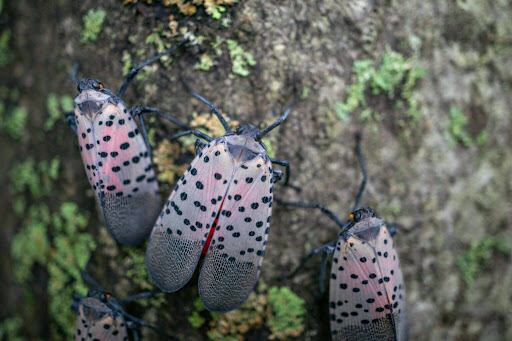
In many areas, there are already well-known current invasive species that individuals are warned to watch out for. Examples of this are the Spotted Lanternfly, which is an insect native to Asia that poses a threat to multiple crops and hardwood trees. It has been recorded as having spread to 17 different states since its initial identification in Pennsylvania. The Emerald Ash Borer, which is another example of an invasive species, has destroyed millions of ash trees in 35 states. Zebra and Quagga Muscles are a great concern for waterways and water infrastructure within the United States. They filter large amounts of algae that are vital to the survival of native species, while also invading their habitats and clogging water pipes in various types of water systems. Additionally, they produce toxins and spread diseases that harm animals that come into contact with them. Every region has its own invasive species that possess their own negative effects, and understanding which ones affect your community is a major step in fighting their spread.
How can you prevent the spread of invasive species? First, be careful about what plants you add to your yard or garden. Many nurseries continue to sell species that are considered invasive or destructive to other plants, so be sure to double-check before purchasing. Choose native plants whenever possible, as they support local pollinators and do not harm the surrounding environment. Second, if you often hike or spend time outdoors, clean your shoes, gear, and even pets before leaving a natural and rich area. Seeds, spores, and small organisms can become attached without your knowledge and be transported to unnatural areas. Third, never release aquarium species, animals, or unwanted plants into the wild. Not only is it unethical, but even something as small as a snail or various types of pond plants can become an ecological problem.
If you go boating or fishing, always rinse your equipment before traveling to different areas and bodies of water. Aquatic invasive species spread through tiny larvae and plant parts that stick to boats, nets, and paddles, and can be easily transferred. Finally, stay informed. Communities occasionally host invasive species cleanups, educational programs, and volunteer projects aimed at monitoring and protecting local ecosystems.
Preventing invasive species may sound like a daunting task, but it begins with simple decisions rooted in everyday life. When more people take these precautions more seriously, communities can protect their environments, preserve native wildlife, and promise healthier ecosystems for the future.