












Freedom of speech stands as a dominant pillar in the Constitution that holds the very essence of what our country stands for. It allows citizens to critique power without the fear of retribution, but recent activities from our government have called into question the legitimacy of this fundamental right.
Particularly with the cancellation of “The Late Show” with Stephen Colbert and the suspension of “Jimmy Kimmel Live!”, debates over political interference in media and the effect on free expression have raised concerns.
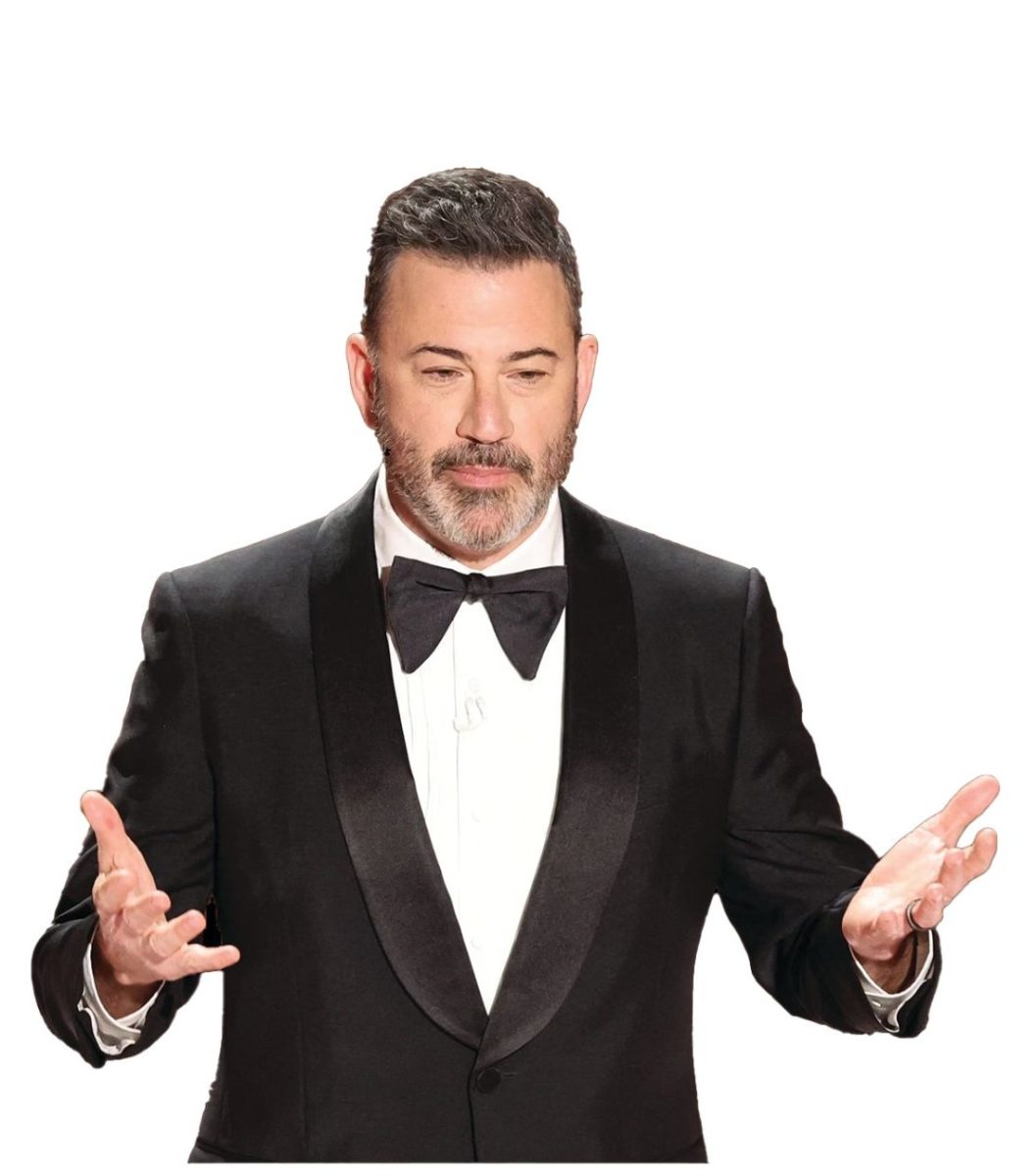
On Sep. 17, ABC suspended Jimmy Kimmel’s show after he made remarks about the assassination of conservative activist Charlie Kirk. The Federal Communications Commission, led by Brendan Carr, criticized Kimmel’s comments, leading to the network’s decision to pull the show temporarily. Although the suspension lasted only six days, it sparked widespread backlash from various sectors, including political leaders, entertainers, and constitutional scholars. Most comments about the suspension discussed the move as an infringement on free speech.
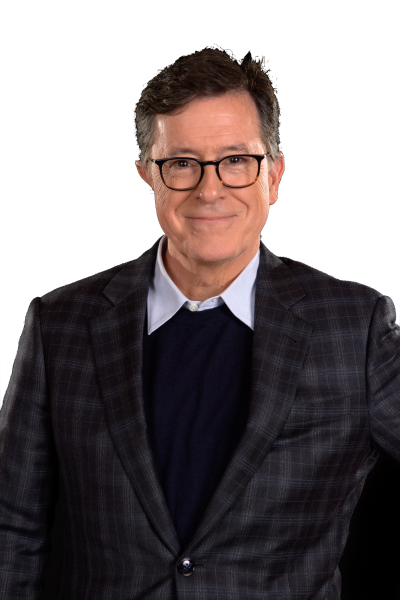
In July 2025, CBS announced the cancellation of “The Late Show” with Stephen Colbert, citing financial reasons. However, the timing seemed suspicious of political influence after Colbert criticized CBS’s parent company, Paramount, for settling a $16 million lawsuit with Trump over a controversial segment. This cancellation occurred only three days after Colbert’s public criticism, leading people to question if the decision was politically motivated.
The Trump administration’s actions have been widely perceived as direct attempts to suppress voices in the media. Carr’s public criticism of Kimmel’s Commons and the subsequent suspension of his show illustrate how government entities can exert pressure on broadcasters to align with political agendas. Such interventions create a chilling effect, where media outlets may preemptively self-censor to avoid potential repercussions, therefore undermining the press’s ability to act as a check on power.
When journalists, entertainers, or citizens fear government retaliation for speaking out, the open exchange of ideas is jeopardized.
In practice, it not only limits political criticism but also blocks scrutiny of policies, appointments, and government misconduct, allowing power to be monopolized.
The cancellation of Colbert’s show raises serious concerns about the consolidation of media power and the increasing susceptibility of major networks to political influence.
In the last year, the Trump Administration offered to purchase “South Park”, a major cartoon, which highlights their attempt to control more media power.
Paramount’s acquisition of CBS and the appointment of Trump ally Bari Weiss as CBS News editor-in-chief signal a potential shift towards a politically aligned editorial stance. Not only does this change the production of content for the broader audience, but it could also push different storylines to benefit Trump. This consolidation also restricts the diversity of viewpoints available to the public, meaning fewer independent voices are empowered to critique authority.
Late-night comedy has historically served as a unique platform for political satire and civic engagement, offering audiences a critical perspective on current events that traditional news may overlook.
Hosts like Kimmel and Colbert employ humor to highlight hypocrisy, question policies, and hold leaders accountable.
Both reach millions of people who otherwise might not engage with politics. Silencing these voices is not merely a loss of entertainment; it constitutes a direct attack on the public’s capacity to access information and form independent opinions.
When political critique is stifled, citizens are denied an important mechanism for understanding governance and holding those in power accountable.
The actions against Kimmel and Colbert raise profound constitutional implications.
The First Amendment guarantees freedom of speech and of the press. Yet when government officials force pressure on broadcasters, these protections are effectively destroyed.
President Trump’s signing of Executive Order 14149, “Restoring Freedom of Speech and Ending Federal Censorship,” reaffirms the administration’s commitment to freedom of speech principles.
Yet the subsequent actions targeting Kimmel and Colbert juxtaposed that promise, revealing a dangerous gap between his rhetoric and practice. This contradiction underscores the urgent need to defend freedom of speech not only through public statements but through active resistance and legal safeguards.
Public response demonstrated widespread criticism of the threats of these actions.
Disney, the producer of “Jimmy Kimmel Live!”, lost approximately $4.4 billion in the six days that the show didn’t air.
Industry professionals, including writers, producers, and performers, rallied in solidarity, emphasizing the importance of artistic freedom and the media’s role in holding power accountable.
Kimmel and Colbert appeared on each other’s shows, addressing the controversy with humor while reaffirming their commitments to free expression.
This collaboration not only engaged and entertained audiences but also symbolized the endurance of strength and independent voices in the face of political intimidation.
Freedom of speech is a non-negotiable pillar of our Constitution. It allows justice, responsibility, innovation, and progress.
When a leader suppresses dissent, it signals a dangerous shift towards authoritarianism, where criticism is punished and conformity is enforced.
The suspension and cancellation of these shows should not be dismissed as isolated incidents; they are warnings that boundaries of expression are under threat.
If citizens, media organizations, and lawmakers fail to resist this threat, the consequences will extend far beyond late-night comedy, affecting the very integrity of democratic institutions and the public’s capability to enforce informed civic participation.
We must recognize that these attacks on freedom of speech demand immediate and decisive action.
Protecting this fundamental right ensures that all voices, especially those challenging power, can be heard without fear of reprimand. It safeguards the public’s ability to question, critique, and participate in governance. Only through solidarity and active defense can society preserve the freedom of speech, the cornerstone of democracy, and the essential safeguard against tyranny.