






















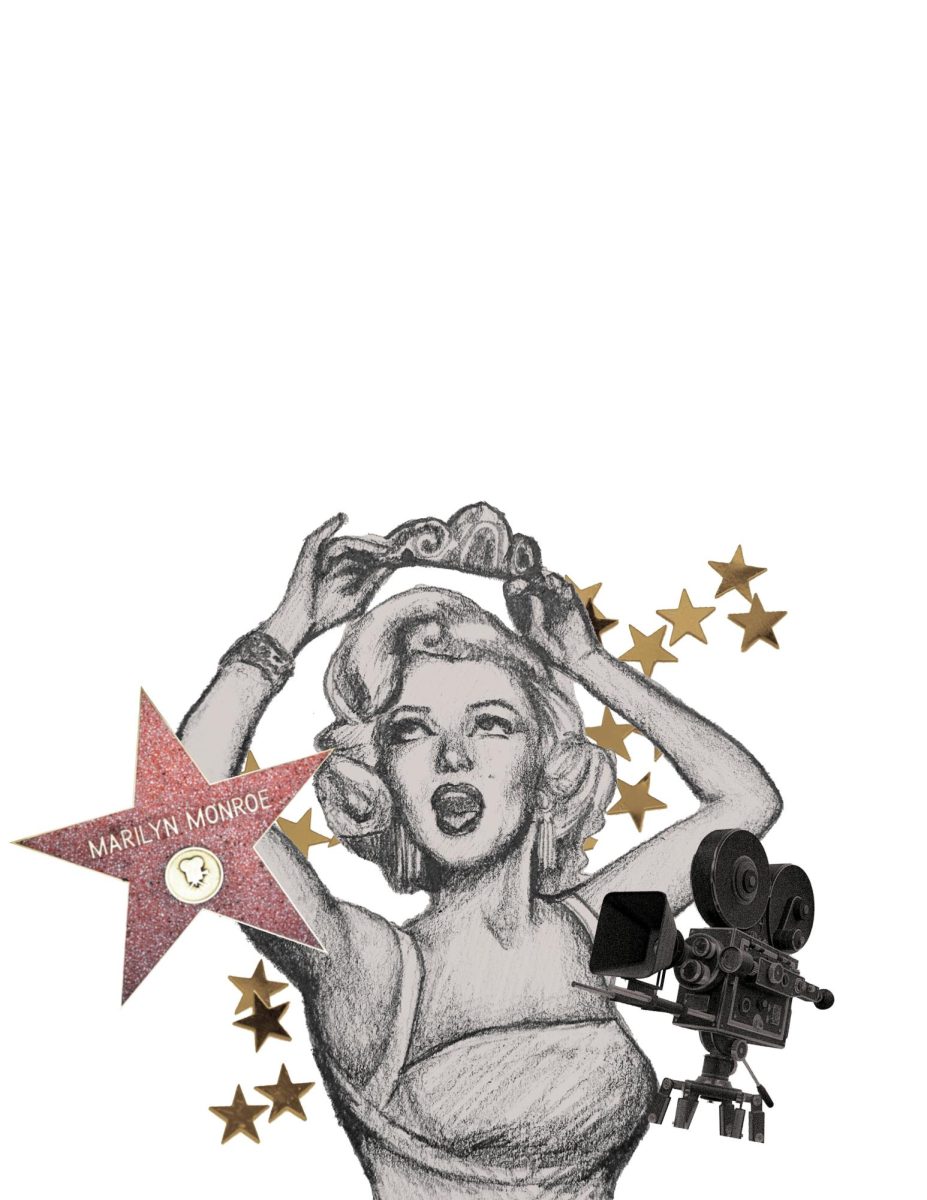
As the 100th anniversary of Marilyn Monroe’s birthday approaches, the world is once again remembering the life of one of Hollywood’s most iconic figures.
A century after her birth, Monroe’s legacy continues to shape Hollywood today.
Marilyn Monroe, born Norma Jean Mortenson on June 1, 1926, grew to become one of the most famous actresses, singers, and models of the twentieth century.
She was one of the first superstars to use her fame and public image to amplify the issues she cared about, one of which was the stereotype that blondes are dumb.
Although Monroe was often cast in “dumb blonde” roles, she worked to challenge that stereotype by studying method acting at the renowned Actors Studio in New York under Lee Strasberg, founder of the Lee Strasberg Theatre & Film Institute.
She had a personal library of more than 400 books, including works by Hemingway, F. Scott Fitzgerald, and Dostoevsky, and founded her own company, Marilyn Monroe Productions (MMP).
“She showed people that they are more than the roles they are given,” freshman Sophie Maupin said.
Monroe used her influence to help fight racial injustice and segregation.
In 1955, she helped singer Ella Fitzgerald perform at the Mocambo Nightclub, which had previously refused to let her perform because of her skin color.
Despite her success, Monroe’s life was far from stable.
Due to her mother’s schizophrenia and her father’s absence, Monroe faced instability from a young age, and she was often moved between foster homes and orphanages.
She later worked as a military parachute inspector during WWII until a photographer discovered her in 1945.
After she became famous, her personal life began to deteriorate. Both of her marriages failed, and she had several miscarriages.
“It’s sad how someone so successful can struggle so much behind the scenes,” freshman Talulah Timms said.
In later years, Monroe faced increasing struggles with her mental and physical health.
She suffered from health issues such as depression, insomnia, and anxiety.
She was fired from a film and developed severe insomnia, leading her to begin combining prescription medications with alcohol in an effort to sleep.
This massive decline in her health led to a series of personal and professional setbacks.
After an alleged affair with John F. Kennedy in 1962, he broke things off and rejected her, making her struggle to cope with the pressure of fame and public scrutiny.
“Say goodbye to Pat, say goodbye to Jack [President John F. Kennedy], and say goodbye to yourself, because you’re a nice guy,” Monroe said to Peter Lawford, her friend and brother-in-law of President John F. Kennedy, whom she spoke to just before going to bed the night of Aug. 4, 1962.
The morning after, Monroe was found dead from a sleeping overdose at the age of 36.
June 1, 2026, the 100th anniversary of her birthday, will be marked by celebrations, including the Marilyn 100 in Palm Springs, which will honor her life and legacy. The celebration will take place near Seward Johnson’s huge 34,300-pound statue of her, named “Forever Marilyn”.
Monroe remains more than just a Hollywood icon; she is a symbol of ambition, courage, persistence, and the complexities of fame.