











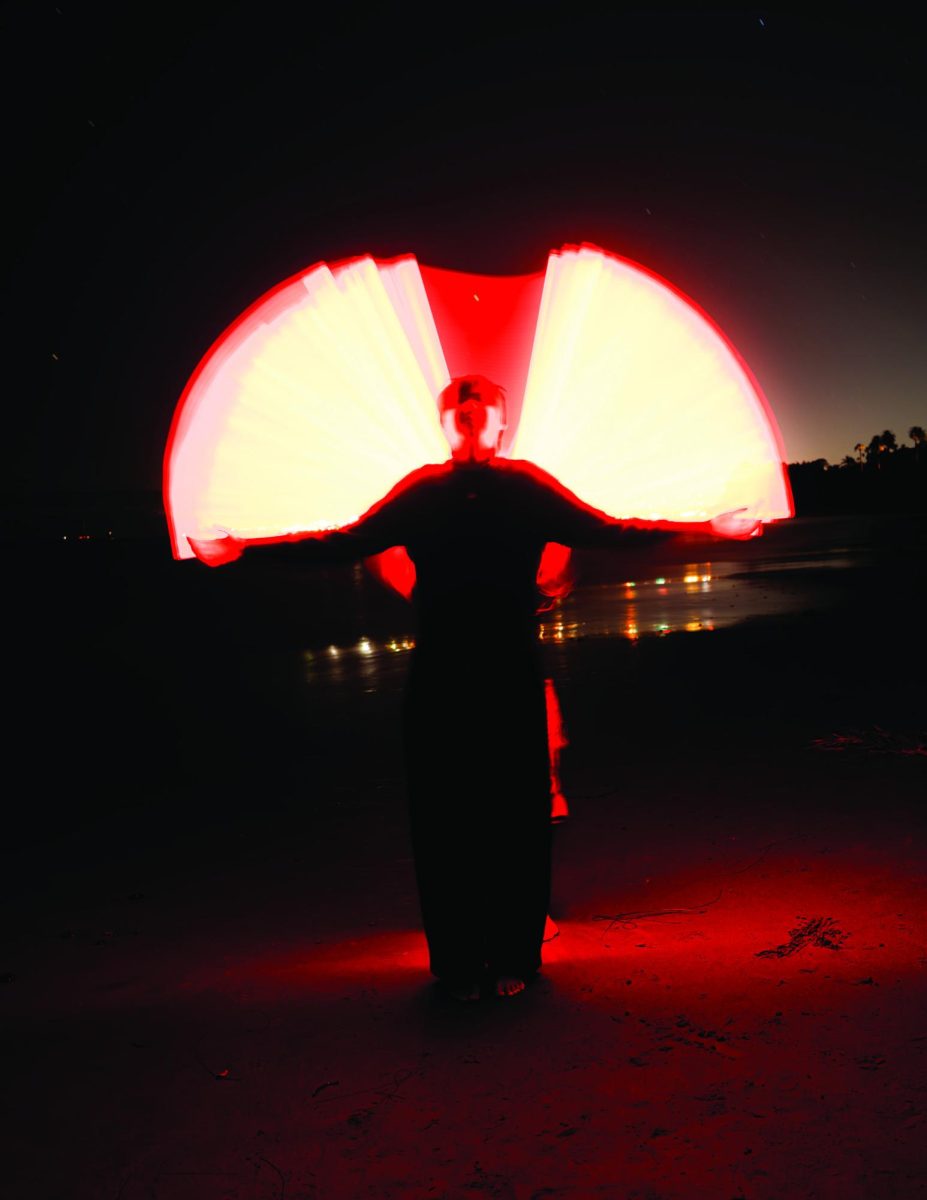
You stare at the sun long enough, and it doesn’t matter if you look away; it is burned into your vision. An afterimage is what lingers after something has passed: a trace, a memory, or a consequence that shapes how we see the present.
Most of us don’t notice how much of what we see is residue. We move through the day and respond to the present. But we’re always seeing through the imprint of everything that came before, decisions made before we were old enough to understand them. The world we’re looking at is partly the world as it is, and partly the outline of what it used to be.
This is the reason nostalgia feels so disorienting. It is an awareness and acceptance that the world you knew has changed and that you have changed with it. There is something quietly unsettling about walking through the places of your past, knowing they are not yours anymore. This feeling is not exactly loss. It’s the acceptance that life moves on even when we are not watching.
Ecosystems carry the memory of species they lost. The absence of a predator reshapes the food chain. Societies uphold precedents and laws made centuries ago. Institutions operate on the reasoning and decisions of people long gone. Throughout life, we inherit enduring precedents that live on in afterimages.
By senior year in high school, you are already living inside the afterimage of who you were as a freshman. The version of you that walked in, from friends to interests to opinions, has already evolved, yet all of it still shapes you.
What’s easy to forget is that we are also making afterimages right now. The decisions being made in the world this year will be the residue that the next generation inherits without asking for. They will walk into a world partly shaped by choices made right now, by people who may not have fully considered what they were leaving behind.
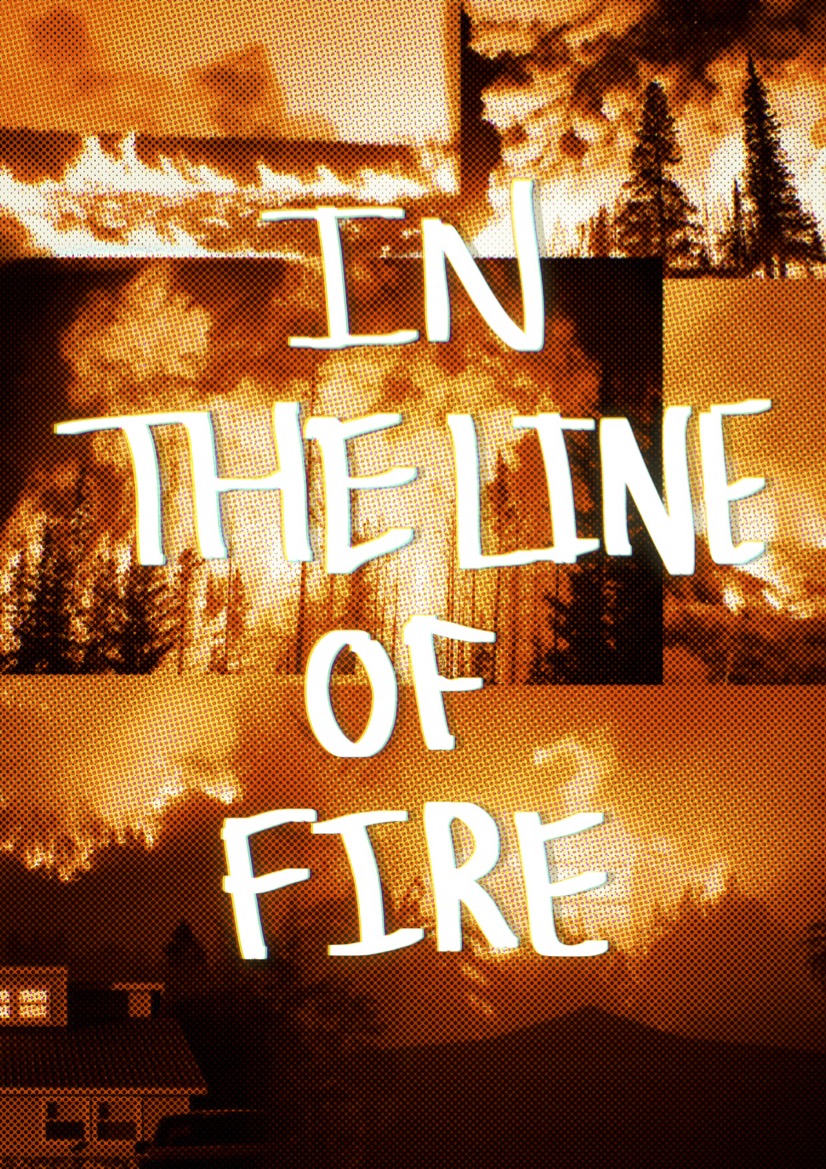
This issue, the Fourth Estate tasked itself with covering these afterimages, the ripples of past moments still affecting the world and actions being made now. What we document and question now becomes the record that makes it harder to pretend later that no one knew, no one said anything, no one tried to trace where it was heading.
This is our responsibility as Journalists: to trace cause and effect and to feature stories that have or will leave lasting effects in our community.
This is what our spring issue is about.