









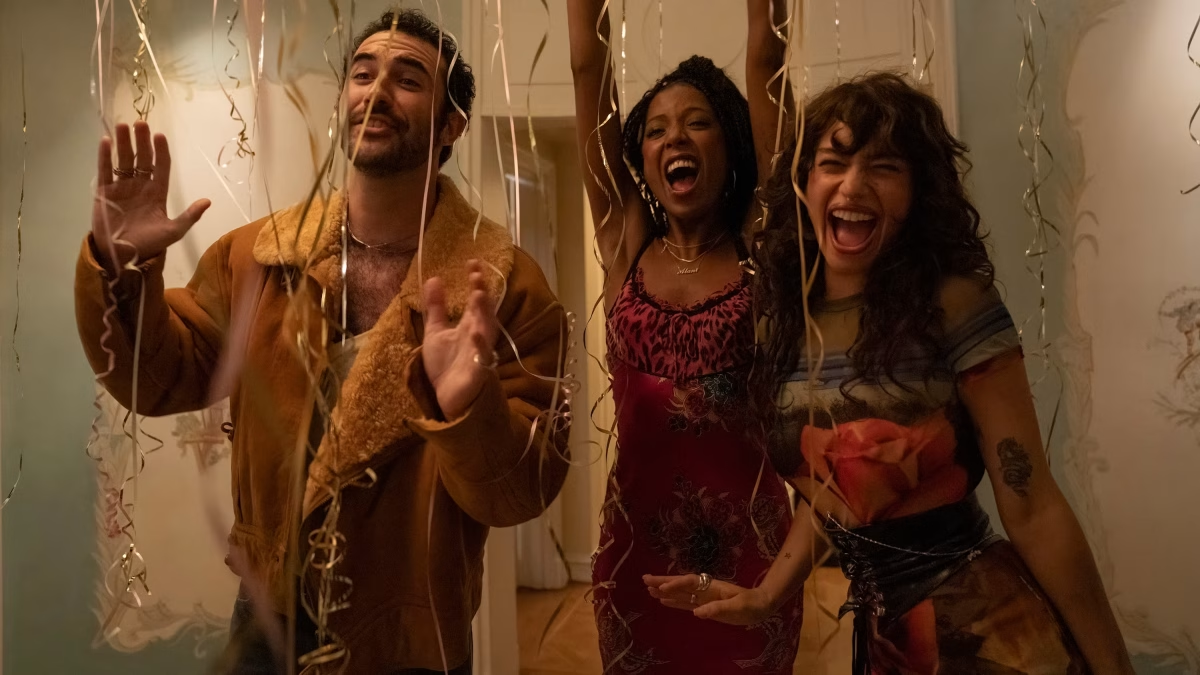
A generous amount of iconic films and TV shows are set in LA — and for good reason. “La La Land,” “Clueless,” and “Pulp Fiction” would not be what they are without the culture and landmarks of Los Angeles.
Our newest addition to the LA Cinematic Universe is Rachel Sennott’s “I Love LA” — a messy, drug-fueled comedy centered around a group of flawed yet relatable twenty-somethings. While this is certainly not the first piece of media to critique young adults and their lifestyle choices, Sennott approaches Gen Z as a member of it, rather than an objective critic.
It’s so refreshing to have a show for Gen Z, about Gen Z, written by Gen Z. Millennials, as well-intentioned as they are, tend to make shows riddled with misused slang and exaggerated phone addictions — falsified caricatures of young people.
“I … feel like with shows about ‘Gen Z’ … the attitude can be, ‘Look at these stupid people on their phones.’ And I just don’t feel that way,” said Sennott in an interview with DAZED magazine.
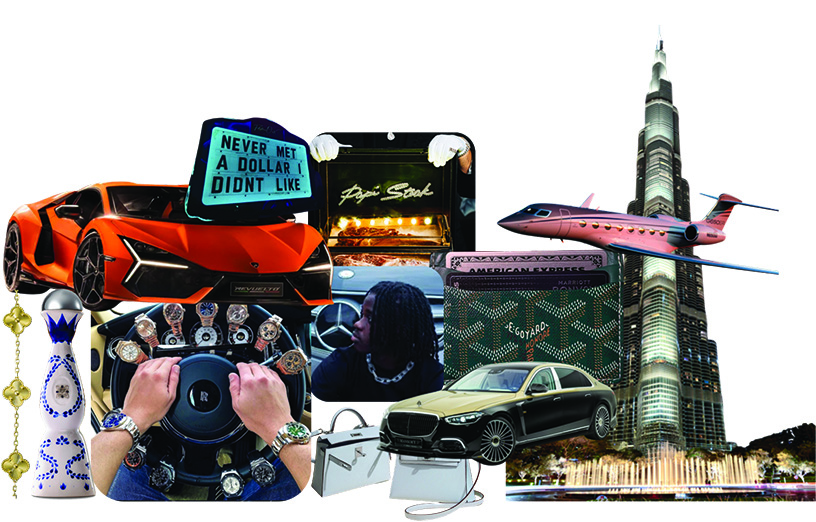
Season one of “I Love LA” portrays the messy influencer culture most have come to associate with Gen Z in a way that is not only incredibly funny but also incredibly self-aware.
“I Love LA,” despite being somewhat exaggerated, is a relatively plausible depiction of young adults having their quarter-life crises in LA. The thing that amplifies this realism is the characters — each truly feels like a person one might meet in Los Angeles.
Sennott is not only a writer on “I Love LA” but also its star, portraying Maia Simsbury, the main character. As an overworked and underpaid social media manager, she’s trying (and failing!) to find and keep her footing amid the overwhelming pace of Los Angeles. Maia is “someone who grips onto control and tries to hold onto things that make her feel okay,” according to Sennott in an interview with The Fader.
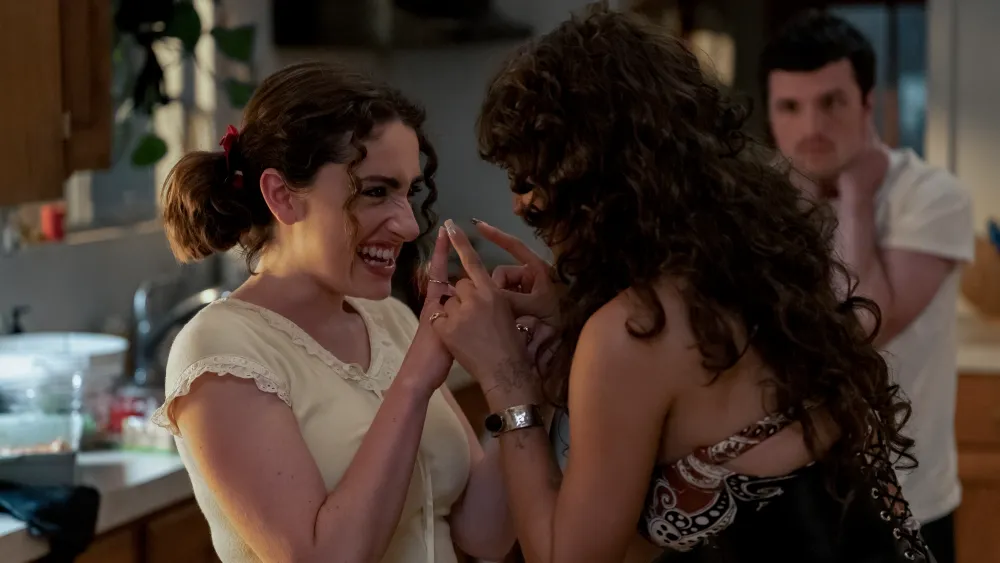
Maia has a complicated and codependent relationship with Odessa A’zion’s Tallulah Stiel, her college best friend, who remained in New York City while Maia moved to LA. Very understandably, when Tallulah returns to LA for Maia’s birthday, she is clearly feeling a little betrayed and is skeptical as a result. When Tallulah appears in Maia’s life, so does trouble.
As an up-and-coming influencer who, at first glance, seems to have her life neatly tied together, but in reality is a hot mess, Tallulah is perhaps the most relatable character on this show.
A’zion told The Fader that unlike Maia, Tallulah’s response to the inevitable chaos of life “is a little bit more nihilistic.”Tallulah has no semblance of control over her life, nor does she attempt to have any. She’s letting life happen; riding the tide with only a vague desire to direct where it goes.
This is what makes her relationship with Maia so great: the ever-present push-and-pull between control and chaos.
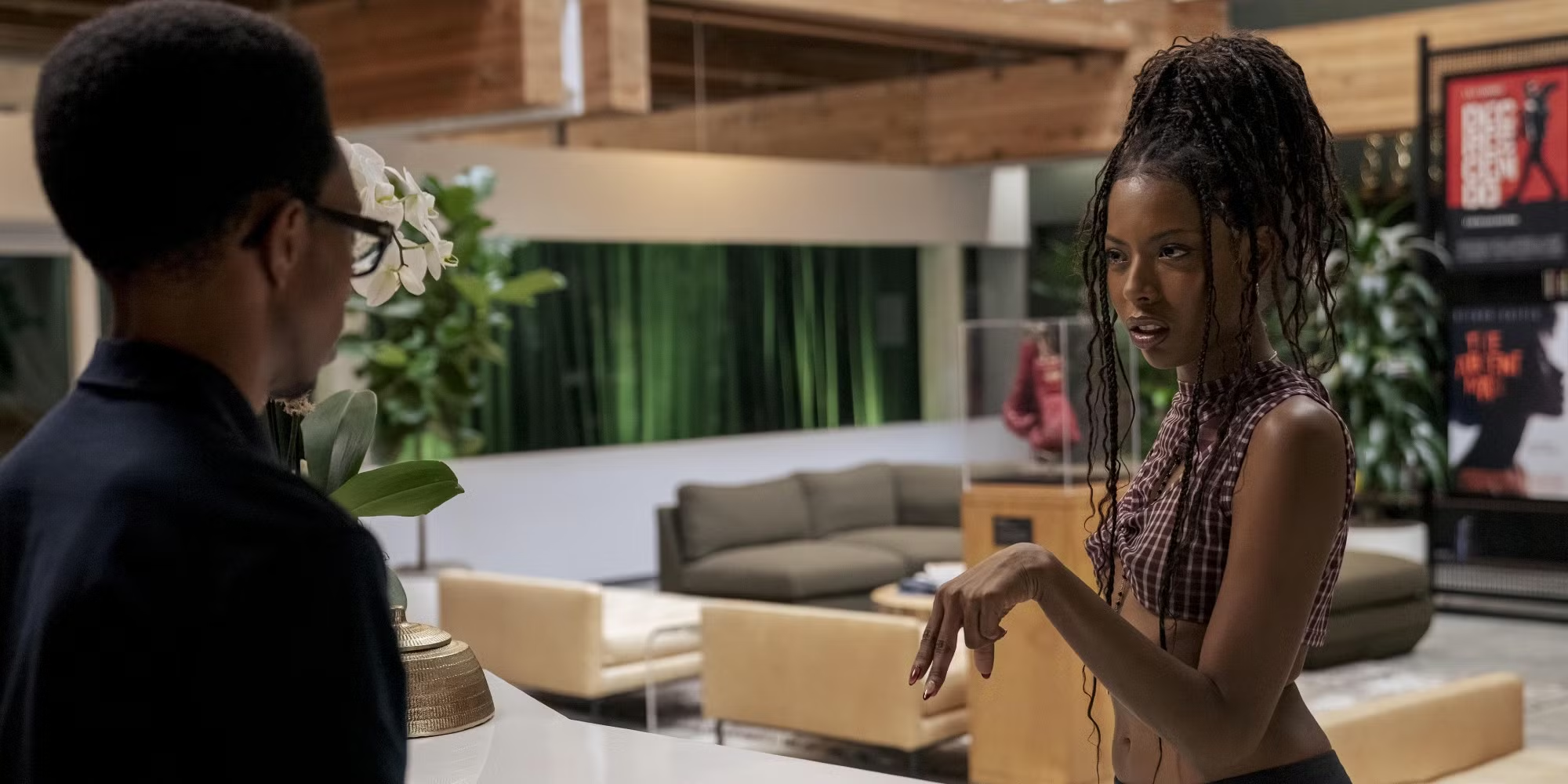
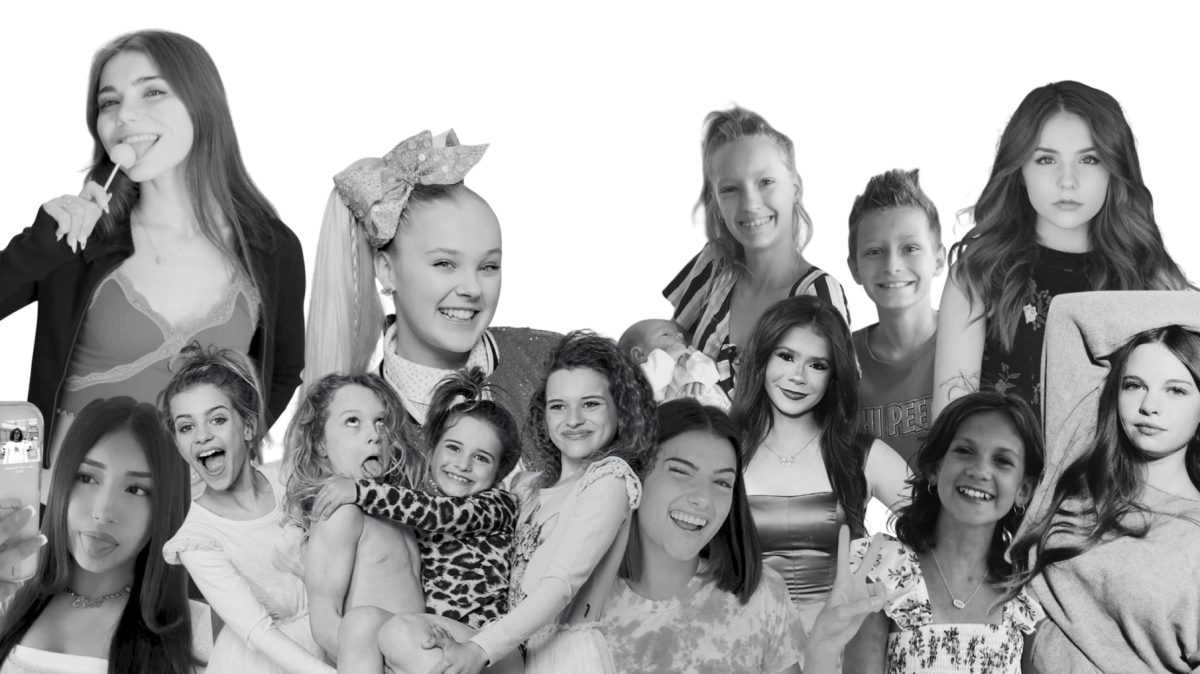
The character that truly exemplifies the LA attitude, however, is True Whitaker’s Alani Marcus. Alani is, if you ask me, the epitome of the Los Angeles Nepo Baby archetype.
True Whitaker, being the real-life daughter of Forest Whitaker, one-time Academy Award winner and star of various films, is not new to nepotism. However, unlike some, she chooses to embrace it, rather than shy away from it.
“I have lived as myself, as a nepo baby … and so I understand that experience,” said Whitaker in an interview with the Los Angeles Times. “I’m nothing but proud of my parents and so proud of my father for having such an influential career. He’s such an inspiration.”
Alani is the same way — rather than trying to hide her nepotistic upbringing, she fully embraces it. Her mother and father are her pride and joy, and she loves her life — as she should!
What makes “I Love LA” feel so different from other shows with similar premises is the self-awareness. The actors are playing characters who, if you dumb them down, are merely dramatized versions of their own lives in Hollywood.
It’s messy, fun, and relatable in the best and worst ways. What’s not to love?