





















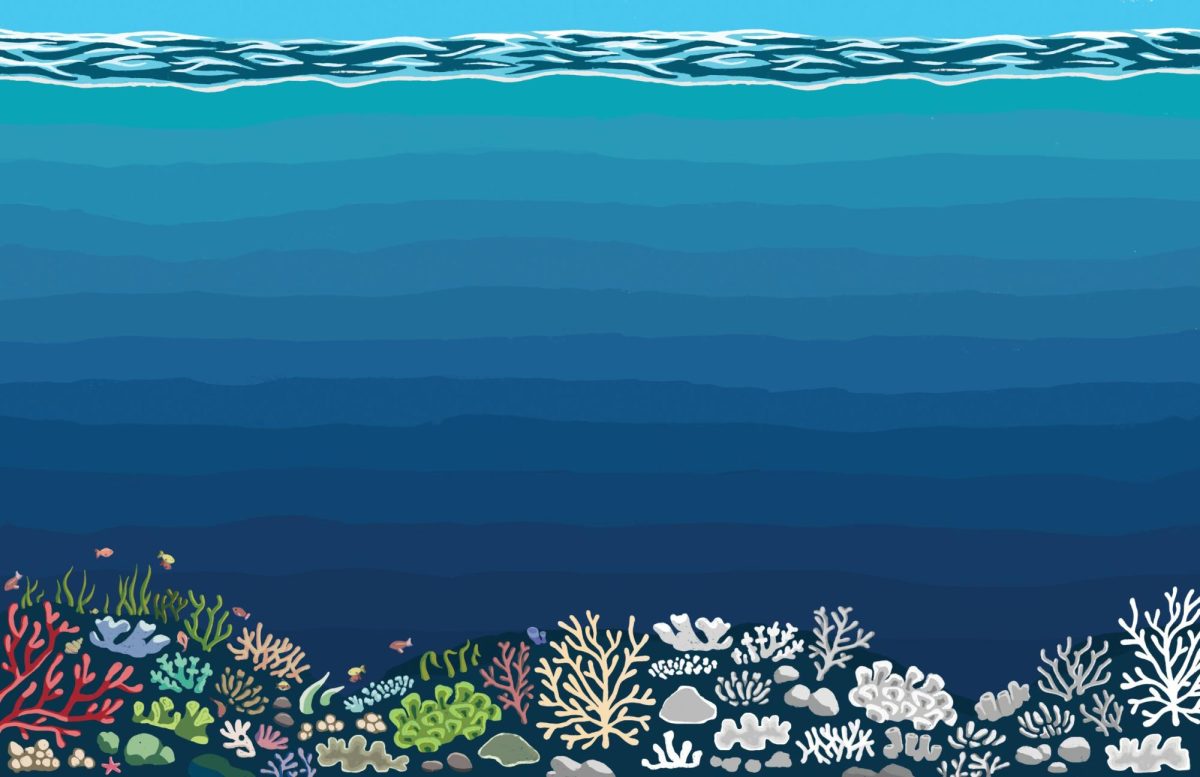
Often referred to as the rain forests of the sea, coral reefs are home to thousands of species and are essential to coastal communities worldwide.
However, over the past few decades, these vibrant ecosystems have undergone a transformation from thriving habitats into endangered environments, struggling to survive.
As warming oceans, pollution, and overfishing take their toll, many of our reefs are showing signs of long-term and irreversible damage that scientists are considering unprecedented. Without immediate action, we risk coral reefs becoming the first environmental system to go extinct due to climate change and human influences.
For thousands of years, reefs have acted as stable, productive environments that support a diverse range of marine species.
Although the reefs cover less than 1% of the ocean floor, they are home to 25% of all marine life, much of which is not found anywhere else. They house a variety of fish, invertebrates, sea turtles, and numerous microorganisms that are beneficial to our ecosystem.
They provide reliable feeding and breeding grounds for animals, with structure that shelters fish, while also playing a vital role in the lives of humans.
Coral reefs support fishing industries, attract millions of tourists each year, and protect coastlines by absorbing wave energy before it reaches the land.
Communities in the Caribbean, the Pacific, Southeast Asia, and other coastal regions have developed entire economies and cultural systems centered around the reefs.
“I think the biggest threat of losing reefs will be the impact on coastal communities, who are going to lose those natural barriers and therefore face an increased risk of tsunamis,” senior Brandon Fuladi said.
“These communities’ way of life will be disrupted, including their economies, and all of these consequences will reverberate across the globe, where trade and cultural change will be affected.”
Large contributors to this worrisome decline are rising ocean temperatures, caused by human-produced greenhouse gas emissions from burning fossil fuels, and ocean acidification, which makes it harder for corals to build their calcium carbonate skeletons due to the excess CO2 in the water. The reason this happens is that CO2 from the atmosphere dissolves into the ocean as carbonic acid, and this increased acidity denatures the proteins that help form calcium carbonate.
“There’s been a huge increase in temperature within the oceans. By huge, it’s about two degrees Celsius, which is significant when we are talking about organisms that need a specific temperature in order to survive today. This temperature increase is coming from positive feedback loops, increasing amounts of pollution, and runoff,” said Marine Biology instructor Kevin Valdez.
Corals depend on a close symbiotic relationship with microscopic algae living within their tissues, which also provide the corals with energy and gives reefs their vibrant color.
When water temperature rises, corals become stressed and expel the algae that live within them, causing the coral to turn white in a process known as coral bleaching.
If these conditions persist, the coral starves and dies. Waves of intense bleaching, which used to occur once every few decades, are now happening every few years, leaving coral reefs with less time to recover.
Pollution adds an additional layer of pressure. Plastic waste, chemicals from agriculture, untreated sewage, oil spills, and even ingredients in certain commercial sunscreens limit coral growth and disrupt reproduction due to the toxic chemicals and nutrient overloads.
Algae can thrive on these pollutants, thereby spreading over the reef and blocking the necessary sunlight that the coral needs to survive. Overfishing can exacerbate the problem by removing fish that normally graze on algae, thereby shifting the balance of the reef community.
Another challenge to the coral reefs is that Coastal development increases sedimentation, which can bury or weaken corals, and unregulated tourism can physically damage reef structures through anchoring, touching, or collecting functioning coral pieces.
The combined effects of these pressures are stark. Scientists estimate that the world has already lost roughly half of its coral reefs, and many of the remaining reefs exhibit severe and lasting stress.
Marine biologists warn that if global temperatures continue to rise at their current rate, up to 90% of coral reefs could disappear by 2050.
This loss would not only represent the destruction of a single ecosystem but also a major shift in global ocean health.
Without the coral reefs acting as shelter for marine species, their populations will decline sharply.
However, the future of the coral reefs is not entirely predetermined. Scientists, environmental groups, and governments are collectively working towards the goal of rebuilding reefs and helping them survive.
A promising method is coral gardening, in which fragments of healthy coral are grown in nurseries and then transplanted onto damaged reefs.
Another strategy could be identifying corals that can withstand warmer temperatures and using them to repopulate and revitalize damaged areas.
Several regions have established marine protected areas where fishing is restricted or prohibited, enabling ecosystems to recover naturally.
Some countries have banned certain sunscreens that have been flagged for containing harmful ingredients, such as oxybenzone and octinoxate, while others have also invested in reducing pollution and promoting sustainable coastal development.
These efforts, taken as a whole, cannot reverse the damage inflicted on the coral, they increase the chances that the reefs will survive long enough for larger climate-related changes to occur.
Individuals also play a role in protecting reefs, even if they are not experiencing the negative impacts near them.
Using reef-safe sunscreen, reducing single-use plastics, supporting sustainable seafood choices, and participating in beach cleanups all help reduce stress on reefs far and wide, as well as on the ecosystems of all the world’s oceans.
Reducing emissions by conserving energy, choosing reusable products, or simply walking or biking more often also contributes to the broader climate goals that directly impact ocean temperatures.
Awareness is especially important: when people understand that coral reefs aren’t just colorful underwater scenery, but instead a vital system that supports millions of lives, they are more likely to support policies and behaviors that protect them.
Reviving the Coral Reefs represents an opportunity for coordinated action and public support that can help make amends for the wrongs that have already led to the loss of a large portion of the reefs.
The future relies on decisions being made right now by scientists, political figures, and individuals who recognize the importance of protecting these ecosystems before the damage becomes completely irreversible. With increased awareness and action, there is still hope that coral reefs can survive and continue to support life for generations to come.
The Loss of the Coral Reefs
Coral reefs are one of the clearest indicators of environmental change, and their decline demonstrates a powerful message about the impact of human activity on the environment.
January 30, 2026
Donate to The Fourth Estate
$50
$500
Contributed
Our Goal
Your donation will support the student journalists of Laguna Blanca School. Your contribution will allow us to purchase equipment and cover our annual website hosting costs.
More to Discover


About the Contributors

Jette Asher, Writer, Feature Editor
Jette Asher is a junior currently in her second year as part of the Fourth Estate staff. She is an avid writer for current events and global issues, and she enjoys journaling, crafting, photography, and spending time with her friends and family.

Olivia Sofranko, Writer, Art Director
Olivia is a junior participating in her first official year in The Fourth Estate, where she enjoys writing about art culture, environmentalism, and graphics for Fourth Staff. On her off time, she enjoys painting animals and watching comfort films like The Maze Runner.