














The sports betting industry — operating under the legal loophole of “Daily Fantasy Sports” (DFS) — exploded in popularity since the PASPA (Professional and Amateur Sports Protection Act of 1992) was struck down in 2018.
DFS apps like PrizePicks, FanDuel, and DraftKings have heavily invested in marketing to normalize gambling and push parlays into American sports culture.
According to the Pew Research Center, 22% of American adults have gambled on sports in the past year, and high school students have also joined the movement.
DFS companies employ various strategies to reduce the stigma associated with gambling and expand their user base. Through celebrity endorsements, they’re able to normalize betting with relatable public figures.
“A lot of companies like PrizePicks use celebrities and influencers to promote it. These influencers don’t even necessarily play the game for real, but you’ll see stuff like ‘Logan Paul’s picks’ and think, ‘Oh, Logan Paul is doing it, he’s cool, so why don’t I do it too?’” senior Enzo Viñoly said.
In addition to celebrity advertisements, they inject promotion into every facet of American sports media, from mid-game ad breaks to in-stadium banners. This strategy makes DFS seem ubiquitous, allowing a vocal minority to influence the larger organized sports culture.
“I definitely see a lot more ads for it, especially during NFL games and other sports. They’re always showing the odds, who’s more likely to win, and where to bet,” Enzo said.
Although these apps are still illegal for minors, they’re able to advertise everywhere, and many students are able to circumvent regulations.
“With the lack of real age verification, it’s very easy to set up a sports betting account.
You can just use your parents’ information, and you’re in. Pretty much all you really need is a credit card, and it’s pretty simple,” Enzo said.
DFS companies also employ shareability rewards to expand their reach.
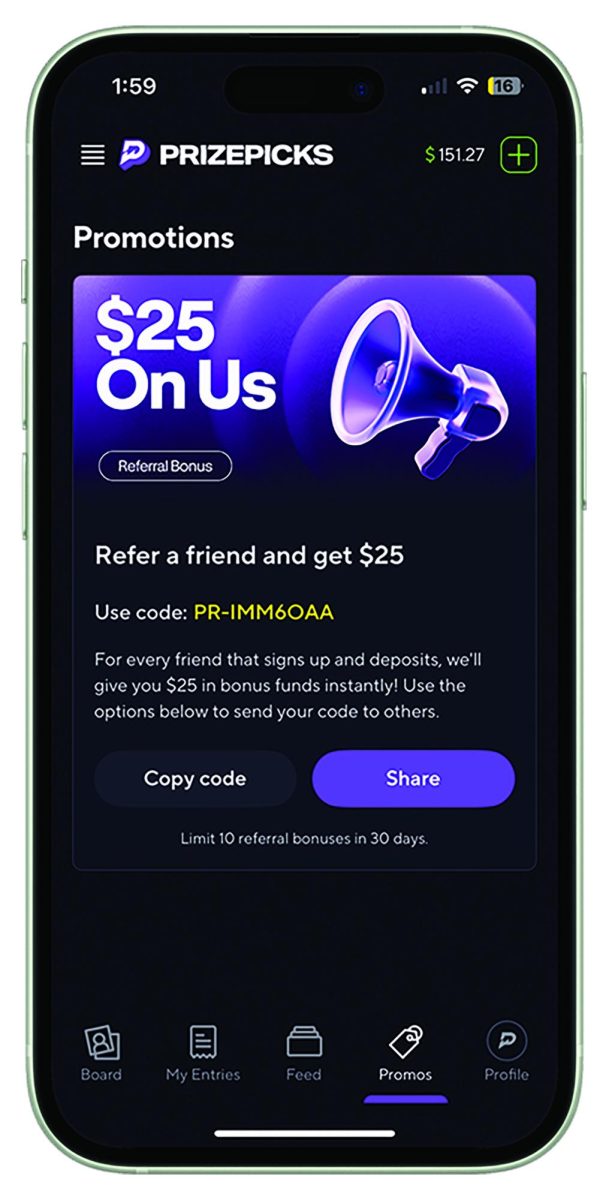
“I got into sports gambling through friends and referral codes. Apps like PrizePicks give you money for referring people. If I refer a friend and they place a bet, I might get $50. There’s a built-in incentive for people to bring more friends in,” a student who requested anonymity said.
The apps lean into bright colors and addictive user interfaces to maximize the neurotransmitter response and build habits.
“You’re basically getting a dopamine hit from winning and from watching the game, and your players do well. That dopamine hit is the addictive part,” Enzo said.
They also conceal losses to force users to focus on their winnings.
“There are third-party apps that track how much you’re up or down overall, but PrizePicks itself doesn’t make that super obvious. You’d basically need screenshots or another app to truly see how much you’ve lost,” the student said.
“It gets really frustrating. I’ve missed out on big payouts because of one tiny mistake, like mis-clicking rebounds instead of field goals. He hit the number of field goals I wanted, and I would’ve made around $100, but because I clicked the wrong stat, I got nothing. Stuff like that really sticks with you.”
“You’re basically getting a dopamine hit from winning and from watching the game, and your players do well. That dopamine hit is the addictive part,” Enzo said.
They also conceal losses to force users to focus on their winnings.
All In on Sports Gambling
Students describe how betting apps use ads, friends, and frictionless sign-ups to blur the line between fandom and addiction.
January 30, 2026
Donate to The Fourth Estate
$50
$500
Contributed
Our Goal
Your donation will support the student journalists of Laguna Blanca School. Your contribution will allow us to purchase equipment and cover our annual website hosting costs.
More to Discover


About the Contributor
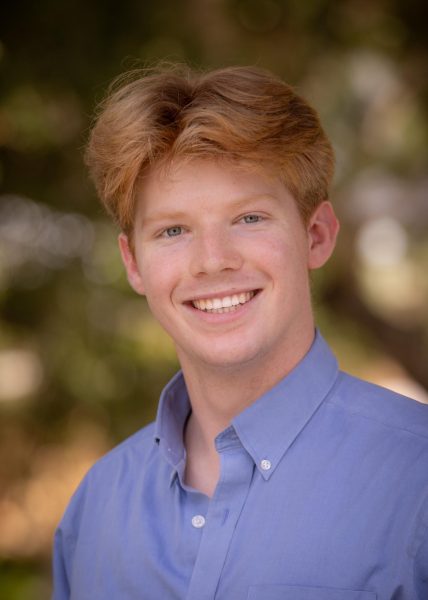
Theodore Wilson, Editor-in-Chief, Website Editor
It’s Theodore Wilson’s second year on The Fourth Estate staff. He’s a senior who writes and edits articles spanning a diversity of topics, including technology, sports, economics, and politics. His extracurricular interests include engineering, theatre, volleyball, and fencing.